
Power structure of the Islamic Republic of Iran: Hierarchy, regime, and key institutions in 2026

Geopolitical analysis of the top leadership following the military crisis, the role of the IRGC, and the succession of the Supreme Leader.
Interview with Gustavo de Arístegui: Analysis of the migration crisis in Ceuta

In Atalayar, the diplomat and analyst examines the key geopolitical and legal factors, as well as the political responsibilities, behind the crisis on the southern border.
Iran-US: Victory interrupted, defeats likely

The execution of the February 28th attack was flawless. What has failed since is not the sword, but the steady hand that wields it.
Special Report: Europe’s Breakwater

The responsibility of the Government of Spain, the abdication of the European Commission, the vindication of the Schengen partners and Morocco’s unpaid debt.
The Ceuta migration crisis: an in-depth report
The Supreme Court ruling as the trigger: an analysis of diplomatic incompetence, border negligence and geopolitical reorganisation.
GEOPOLITICS REPORT
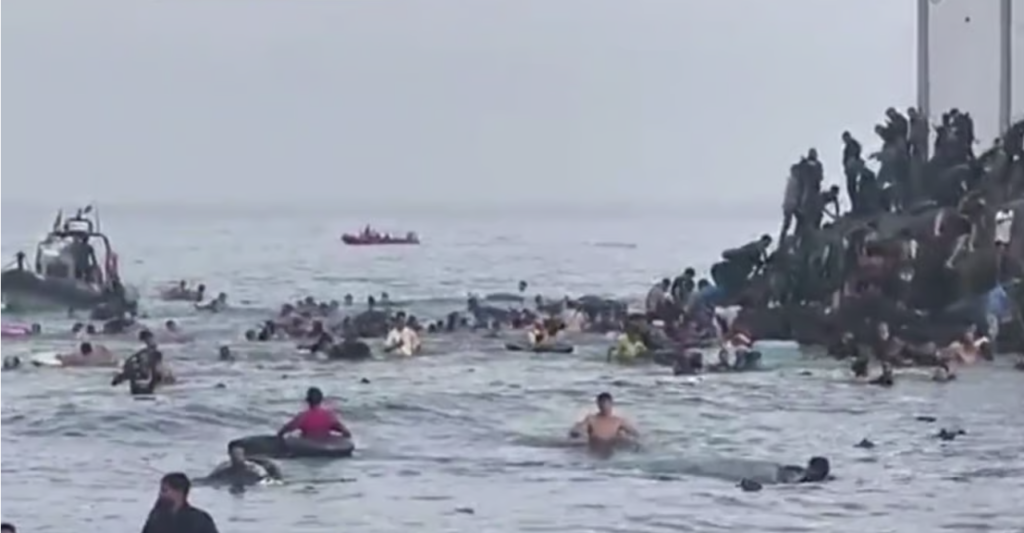
The Supreme Court ruling as the trigger, the Spanish government’s border negligence and its diplomatic consequences in Europe and the Maghreb.
GEOPOLITICS REPORT
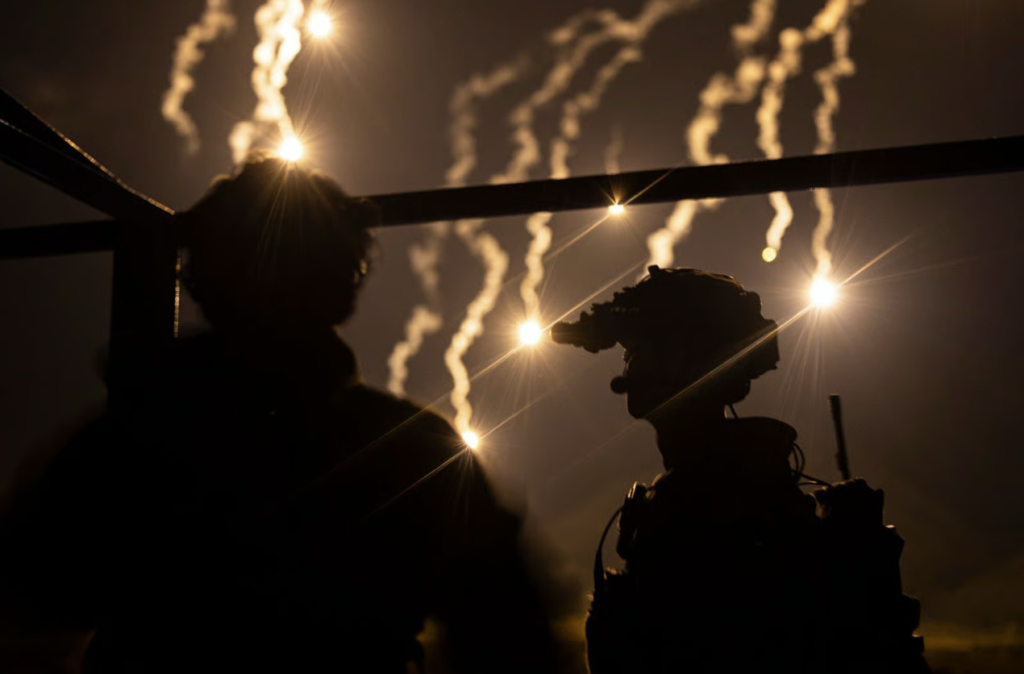
The pause lasted seventy-two hours, not one more.
GEOPOLITICS REPORT
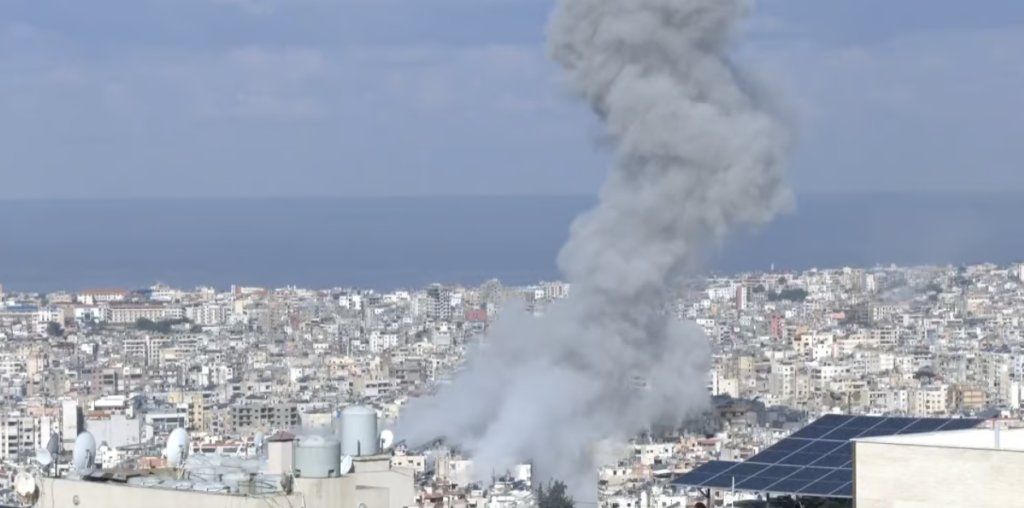
The events of the last twenty-four hours paint an unsettling yet perfectly coherent picture.
GEOPOLITICS REPORT
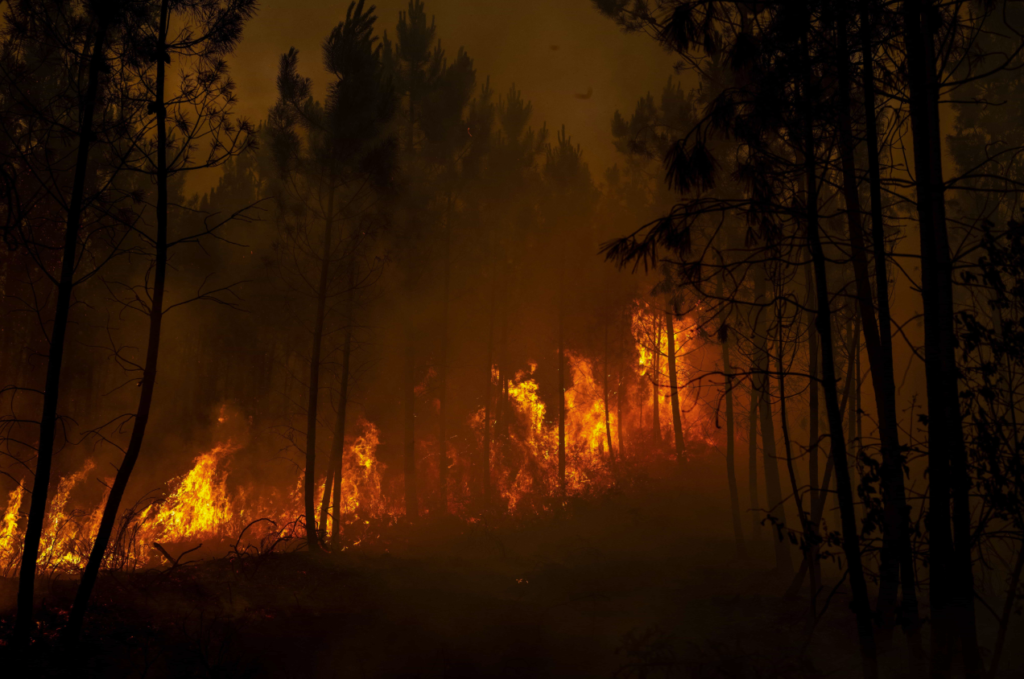
This analysis stems from a conviction that must be stated plainly: fire has ceased to be merely an environmental issue and has become a matter of national security, territorial economy, and European strategic positioning.
There is no longer freedom of the seas: there are tolls
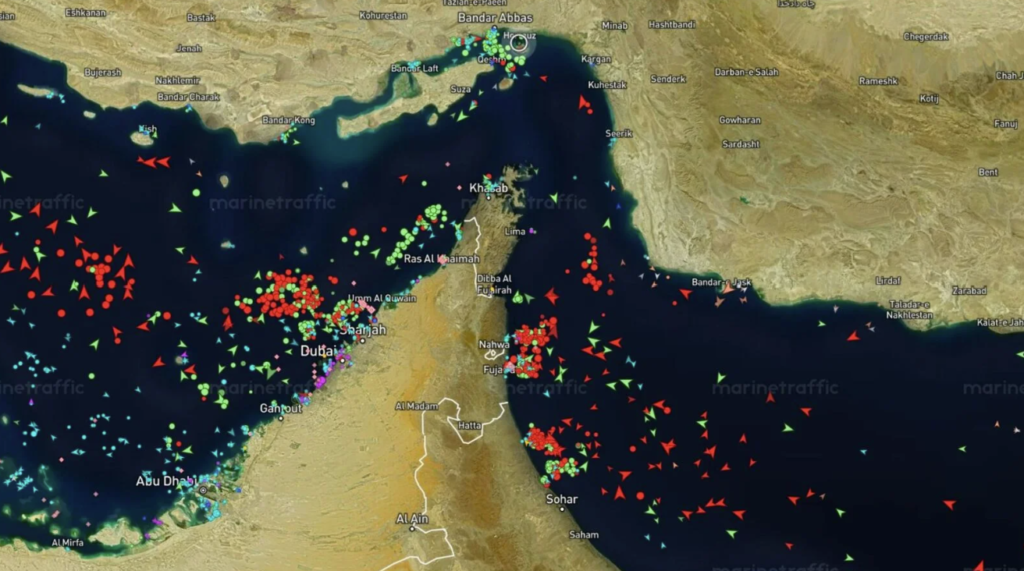
The freedom of the seas is no longer a given: it’s a price to pay. Hormuz and Bab el-Mandeb have ceased to be maritime passages and have become keys to energy, commercial, and political strangulation.