The phrase that states have neither permanent friends nor enemies, only interests, has been repeated a thousand times.
Geopolitical Analysis & Commentary by Gustavo de Arístegui
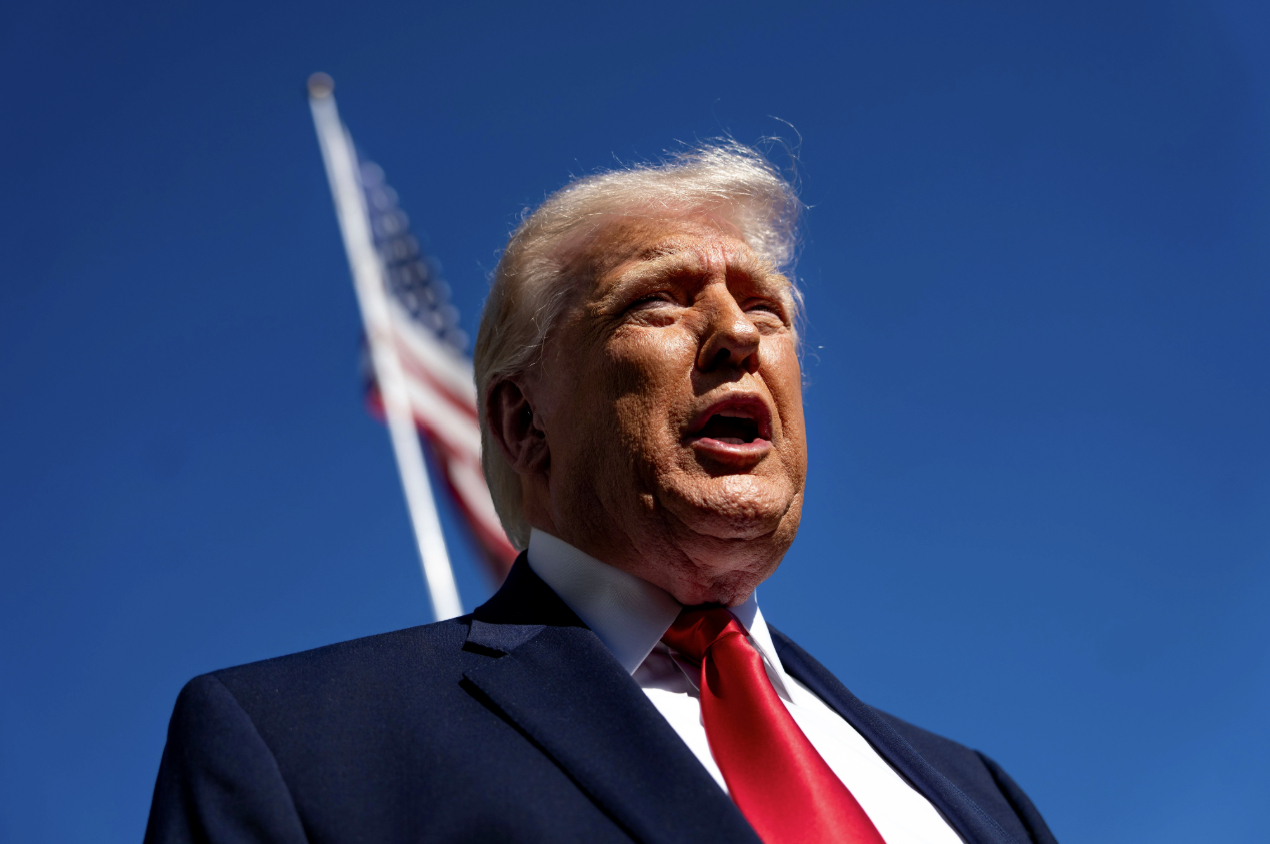
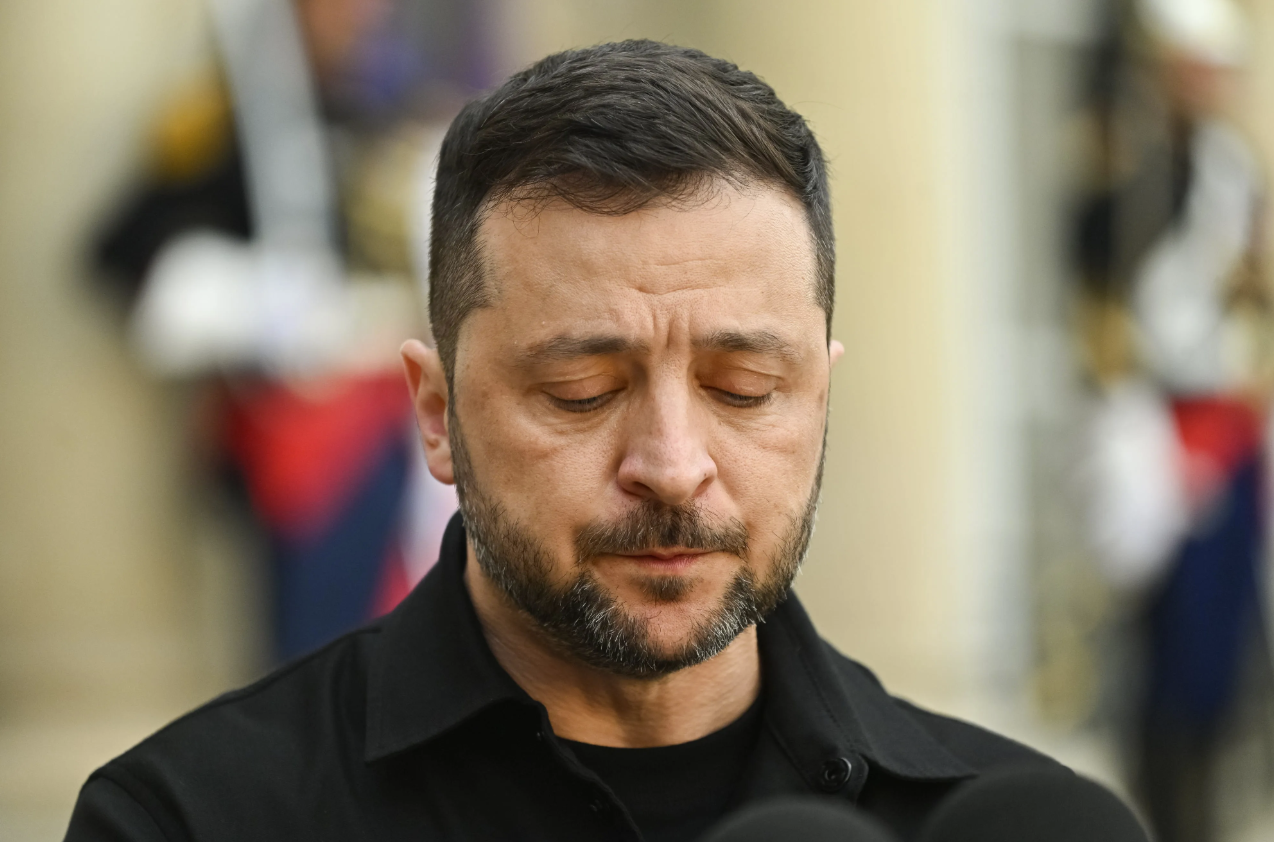
Two stories, or rather three intertwined threads, have dominated the geopolitical landscape for the past forty-eight hours, and all three share, despite unfolding in geographically distant settings, a common denominator: the erosion of authority as an inevitable consequence of protracted war.

Critical report on the European Union–United Kingdom Treaty relating to Gibraltar, signed in Brussels on 14 July 2026 and provisionally applied since 15 July.
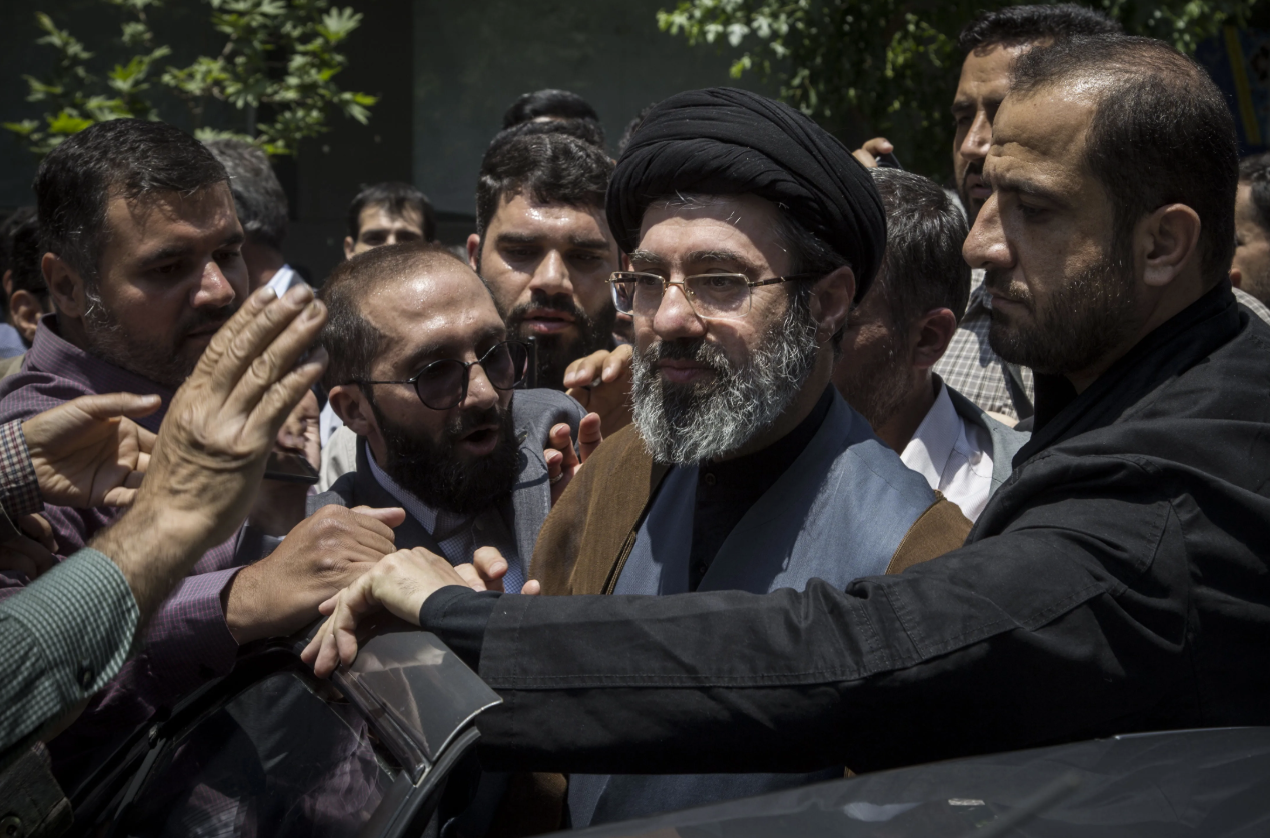
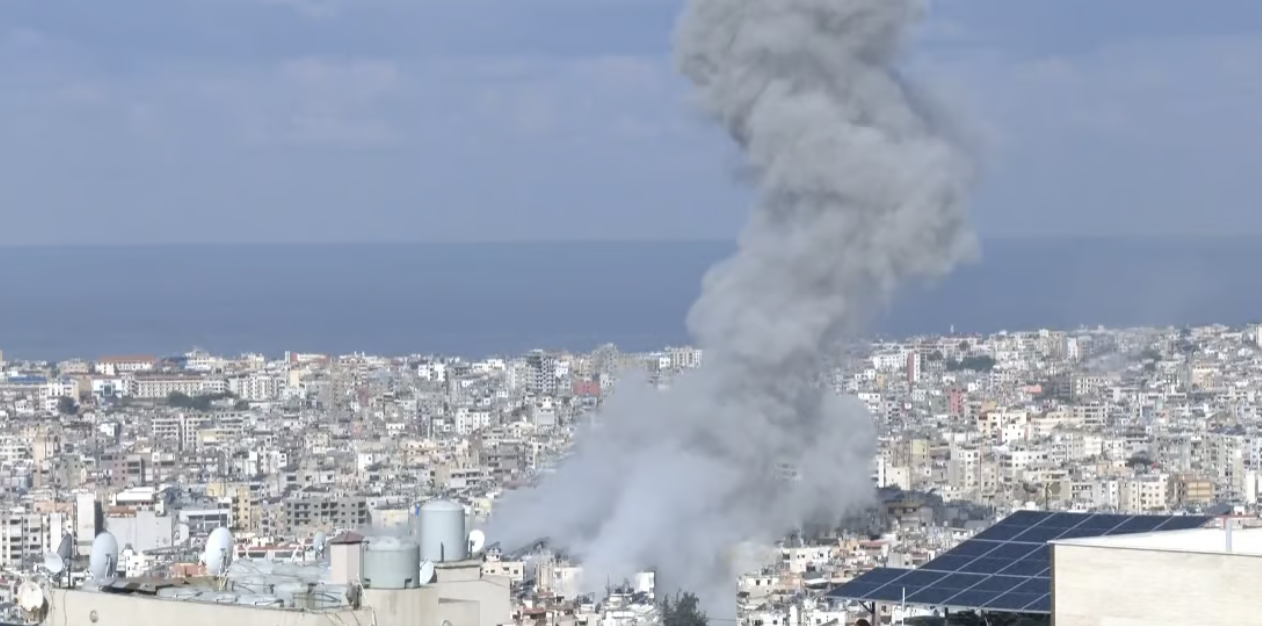
The world awakens, yet another day, to find the Strait of Hormuz a powder keg and the Persian Gulf the epicenter of a crisis that long ago ceased to be regional and has become global.
Today's report deliberately forgoes a broad scope in order to gain depth.
The money is real and the Europeanization of the commons is a genuine step forward, but the structural deficits that condemn Europe to dependency remain intact.
I am writing this on one of those days when current events confirm, with almost didactic clarity, what I have been describing for months.
Two epicenters shaped the day, and both—not by chance—overlapped in time and illuminated each other.
I am writing this edition as two clocks tick in opposite directions on global geopolitics.
We are living through, without rhetorical exaggeration, one of the most delicate moments the international order has experienced since the end of the Cold War.
Monday dawns, condensing into a mere twenty-four hours almost all the fault lines I've been describing since the outbreak of the Iran-Contra conflict.

The king of sports can be an instrument of cohesion and a balm for nations, but also an alibi for tyrants and a smokescreen for execrable regimes.