Iran has turned nuclear ambiguity into a tool of power. It negotiates when it feels weak, advances when it detects hesitation in the West, and uses diplomatic pauses to expand its technological capabilities.
Geopolitical Analysis & Commentary by Gustavo de Arístegui
Iran has turned nuclear ambiguity into a tool of power. It negotiates when it feels weak, advances when it detects hesitation in the West, and uses diplomatic pauses to expand its technological capabilities.
In the last 24 hours, a disturbing qualitative leap has been confirmed in the military escalation of the regimes most dangerous to Euro-Atlantic security—North Korea and Iran—while the Ukrainian front enters a phase of slow-motion warfare that no European intelligence service considers close to a just and stable peace.
Geneva is becoming the diplomatic capital of the world today, not by geographical chance, but because two of the most dangerous conflicts on the planet—the war in Ukraine and the Iranian nuclear issue—are being played out simultaneously in the city on Lake Geneva, with the same American interlocutors—Steve Witkoff and Jared Kushner—acting as brokers of a diplomacy unprecedented in its scope and audacity.
Over the past 24 hours, an extremely tense geopolitical picture has taken shape, with two clear vectors: on the one hand, a high-risk negotiation dynamic—United States-Iran in Geneva, Ukraine-Russia under US tutelage—and, on the other, a silent realignment of global power around China and the economic erosion of Putin's Russia.
The geopolitical axis of the last 24 hours has been Munich: Marco Rubio's speech establishes a doctrine that does not seek to destroy the liberal democratic order, but rather to overcome the complacent inertia with which Western elites interpreted the end of the Cold War...
In the last 24 hours, the geopolitical landscape has combined three main vectors: the attempt to rebuild the transatlantic relationship in Munich under the shadow of Trump's "policy of tariffs and threats," the hypertrophy of investment in artificial intelligence with the Anthropic case as its emblem, and a series of political movements—from Hungary to Alberta, Bangladesh, and Thailand—that are testing the resilience of liberal democracies against illiberal, national-populist, or outright secessionist projects.
The latest 24-hour cycle confirms a world in which the major geopolitical vectors—the erosion of the liberal order, the authoritarian impulse, and the technological revolution—advance in parallel and, at times, in open collision.
The geopolitical landscape of the last 24 hours has been shaped by three intersecting and mutually reinforcing axes: the silent escalation of several conflict zones (Ukraine, the Middle East, the Indo-Pacific), the gradual erosion of the international liberal order, and a clear resurgence in the geopolitical instrumentalization of the economy—energy, raw materials, interest rates, trade routes—as a tool of strategic pressure.
The day confirms that the offensive by democracies against narco-regimes and maritime organized crime is moving without hesitation into the energy, financial and military spheres, while Havana and Caracas starkly display their structural fragility.
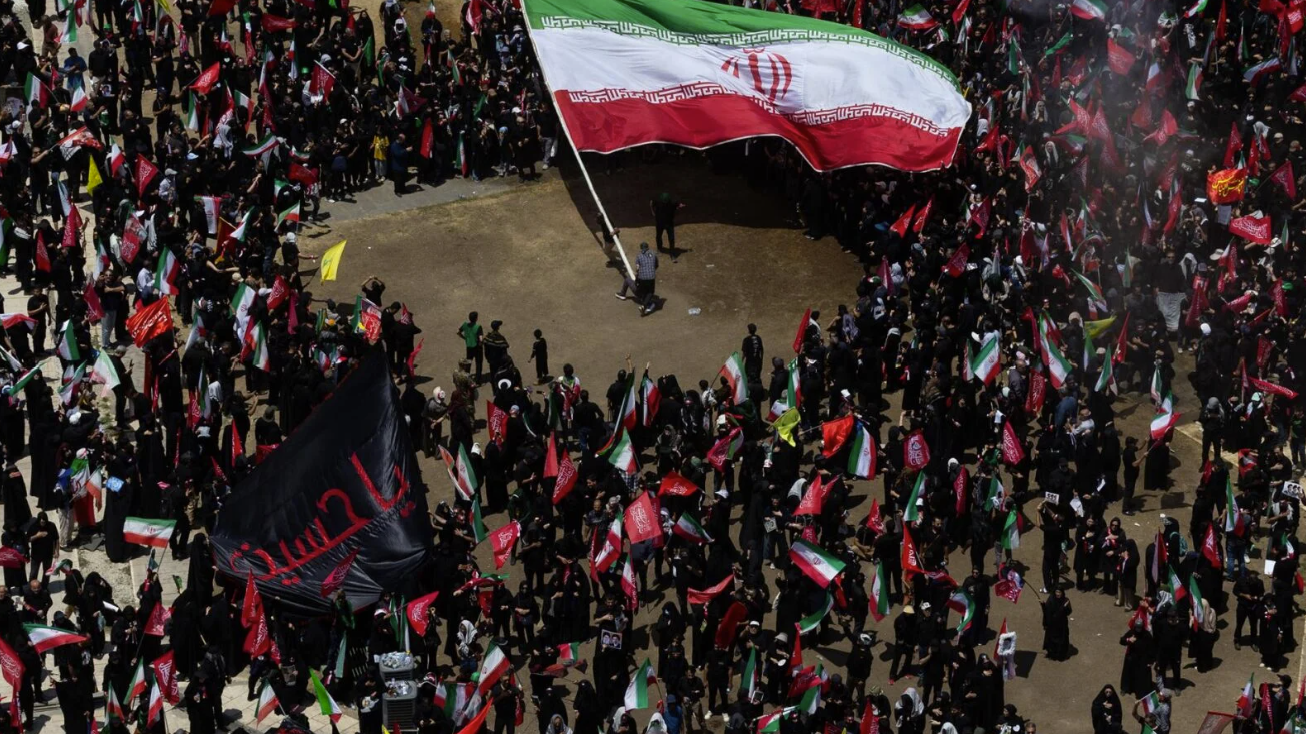
The past 24 hours have confirmed a world under simultaneous pressures: a politically strengthened Japan asserting itself as a democratic pillar in Asia, an Iran increasingly revealing its repressive brutality, a Russia continuing its war of attrition against Ukraine, and markets beginning to punish the excesses of the tech bubble as investors seek refuge in more reasonable assets.
The Asian country is not just electing a Parliament: it is deciding what kind of power it wants to be in an increasingly dangerous world, and its consolidation as a liberal democracy.
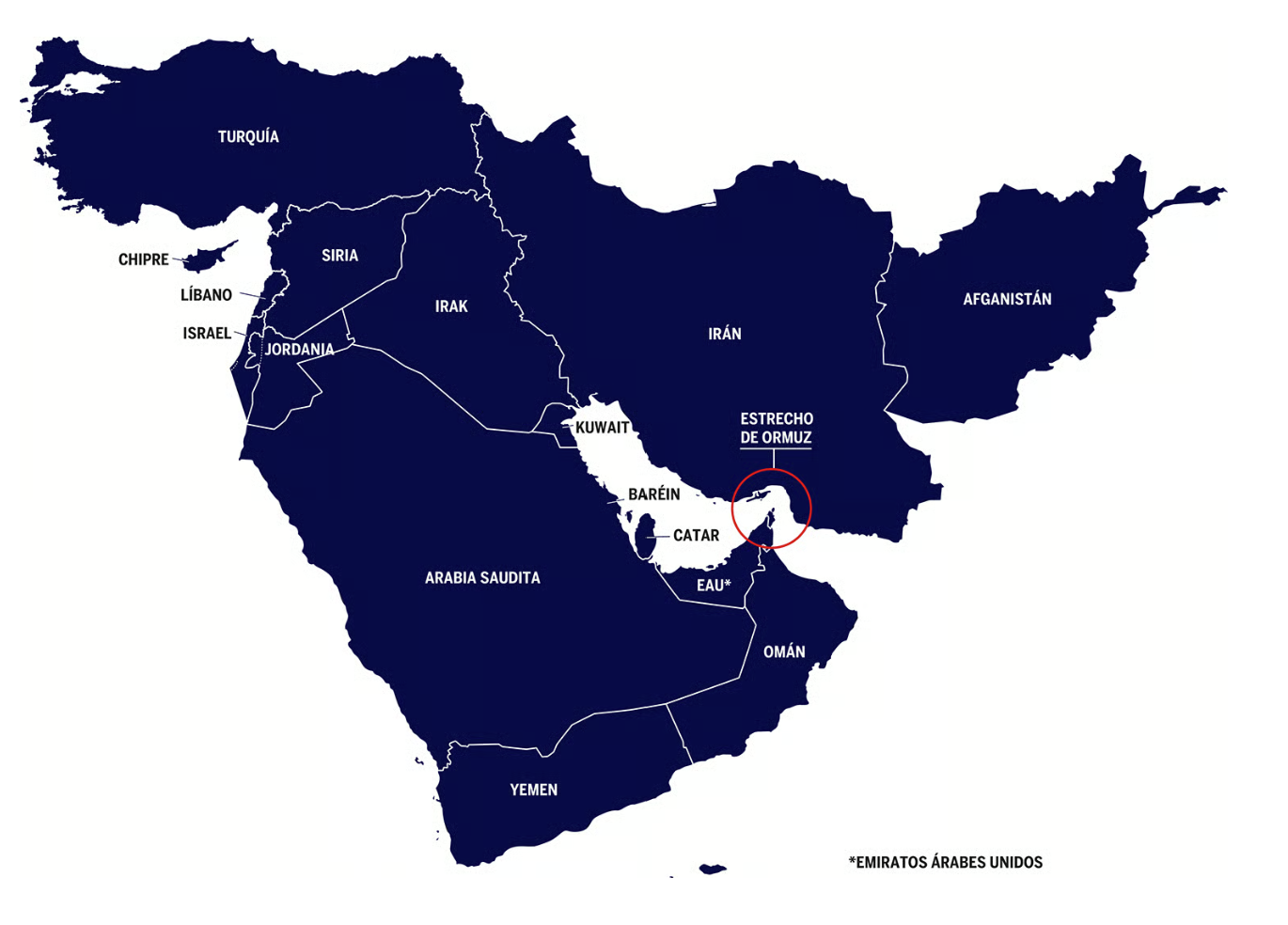
The events of February 6, 2026, encapsulate, as if through a prism, the major tensions of the international system: a terrorist Iran forced to negotiate in Oman out of sheer fear of American power; a Russia attempting to shield its illegal annexations while sitting in Abu Dhabi discussing “peace”; a nuclear arms control architecture teetering on the brink of collapse with the expiration of New START