Three key issues, discussed in depth today, allow us to understand with unusual clarity the power reorganization that the Gulf War is causing.
Geopolitical Analysis & Commentary by Gustavo de Arístegui
The last 24 hours have painted a stark picture of a world where no front remains still.
The past forty-eight hours have painted a disturbing picture of the relationship between the West and its adversaries.
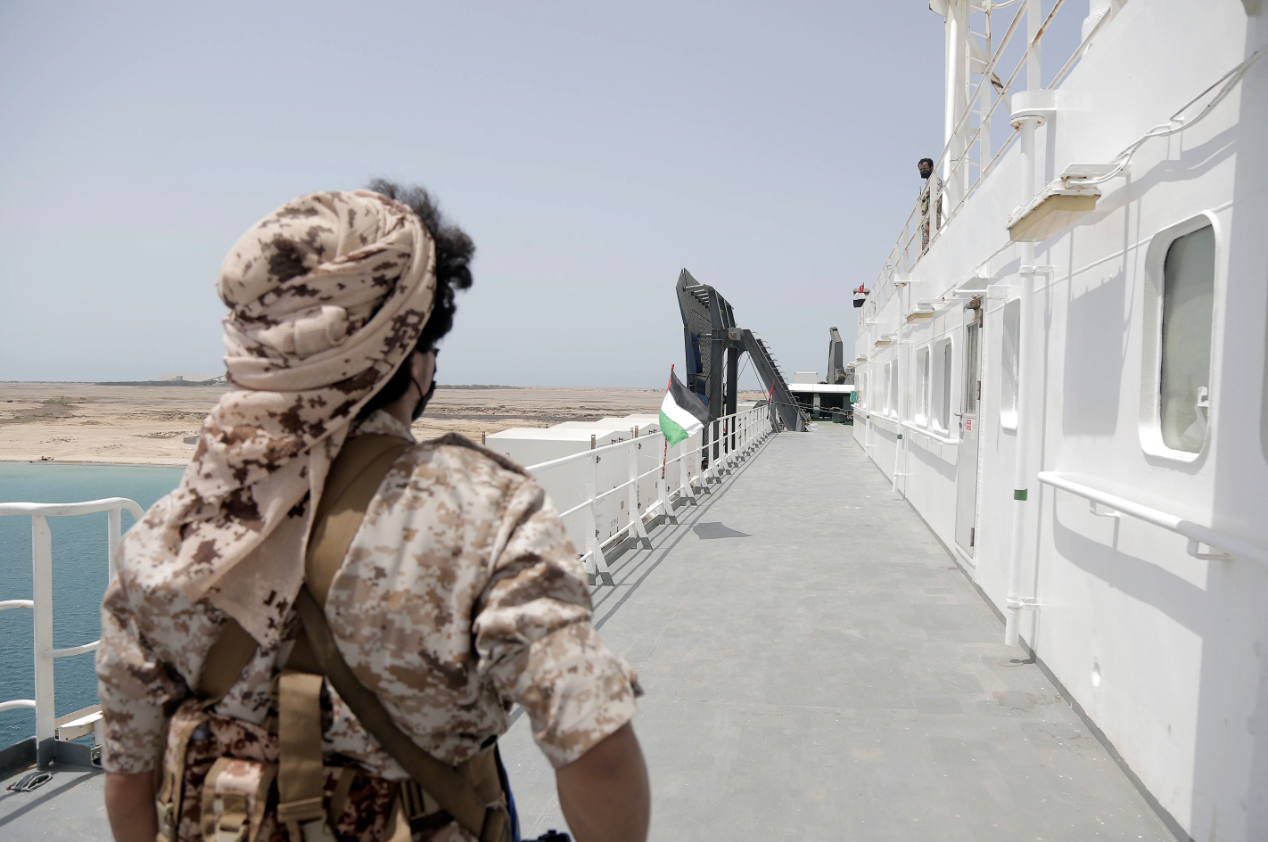
Today's events confirm what this report has been arguing for months: the Iranian strategy, disoriented after the regime's downfall on February 28, has found its footing.
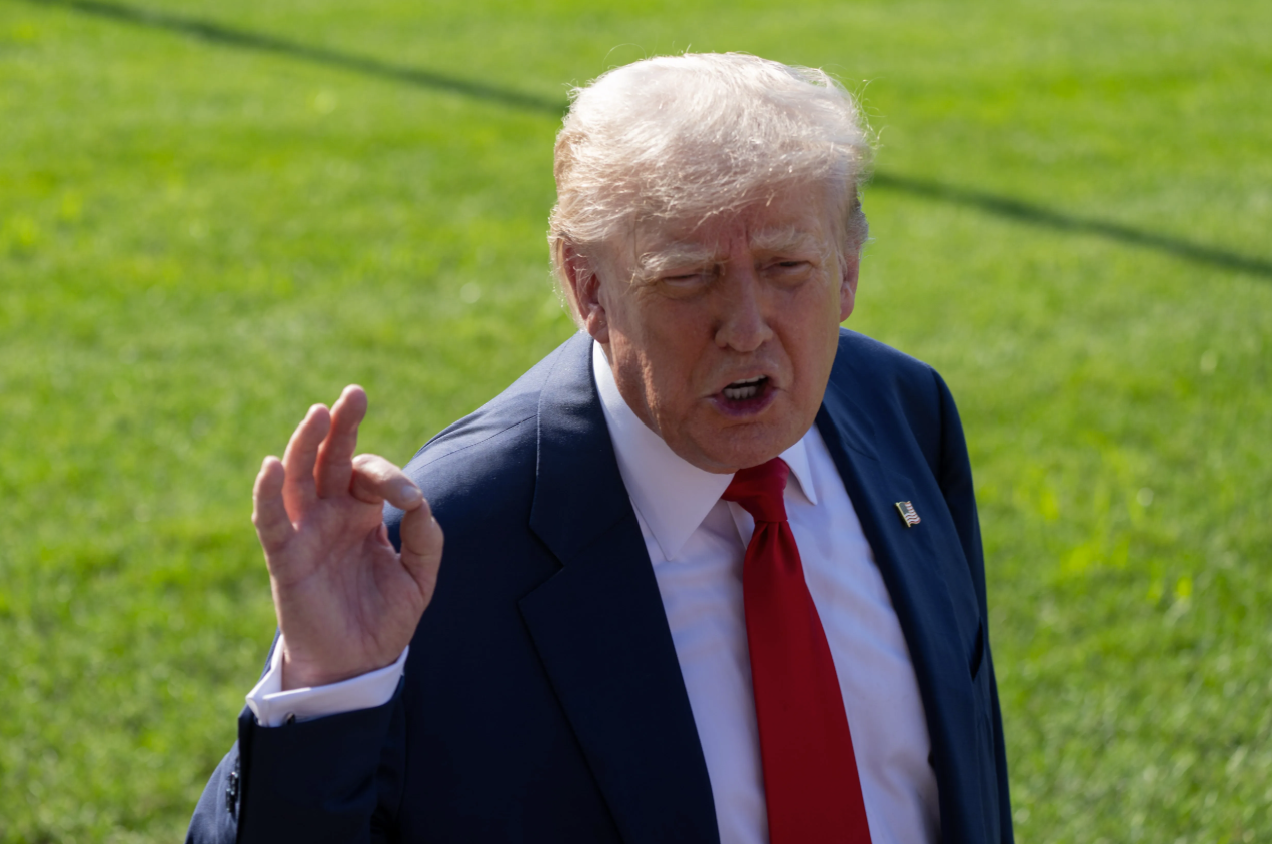
The weekend left us with an image that's hard to top as a portrait of our times: the President of the United States conducting top-level foreign policy from the balcony of a golf tournament held on a course he owns on Ireland's Atlantic coast.
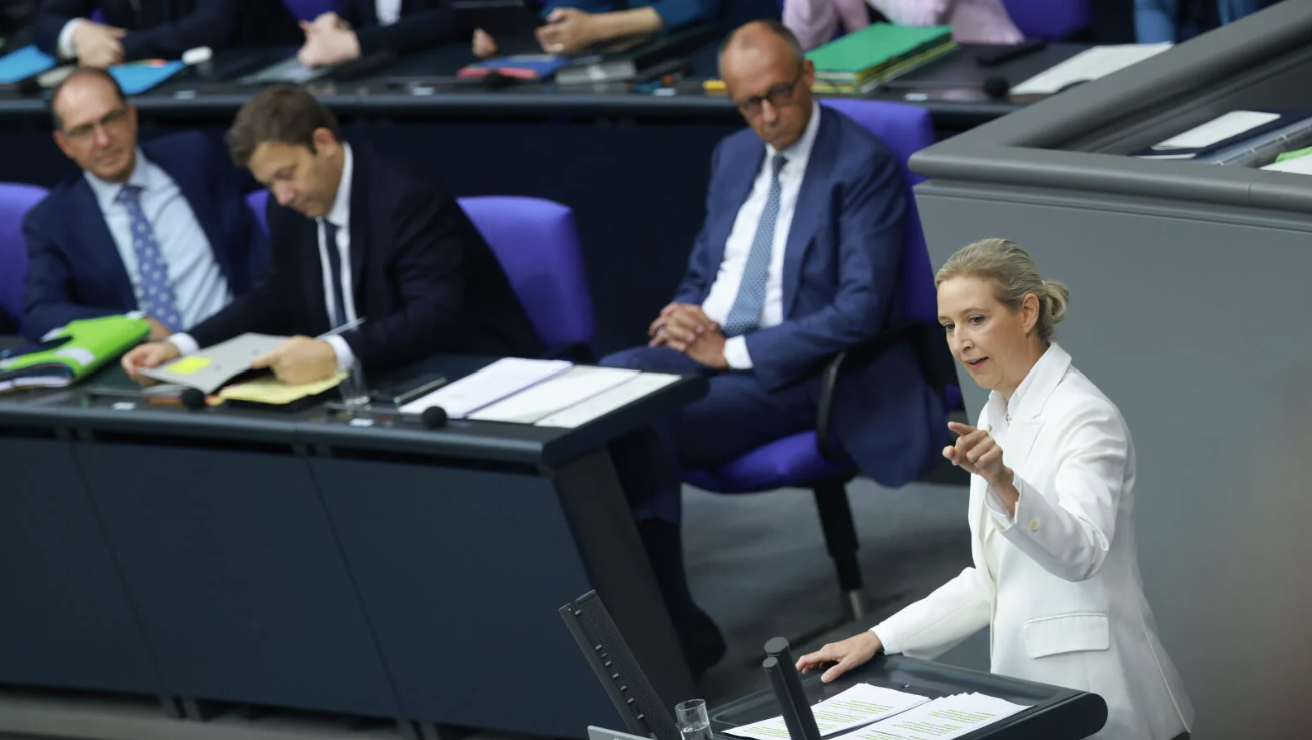
Saxony-Anhalt is not proof of an unstoppable wave, but the bill for thirty years of incompetence from the European political center.
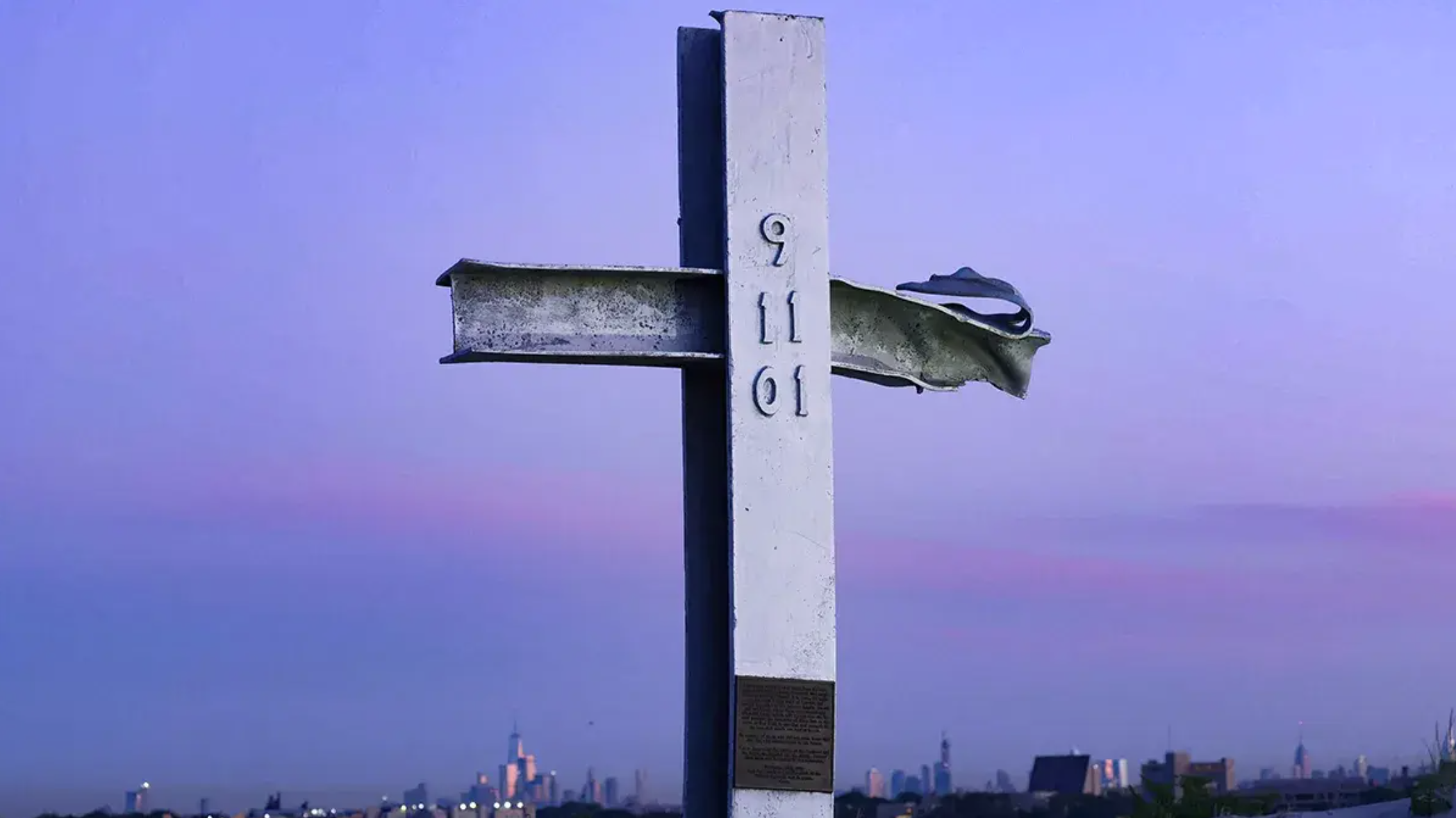
At 8:46 this morning, New York time, the reading of names will pause once again across the 9/11 Memorial plaza.
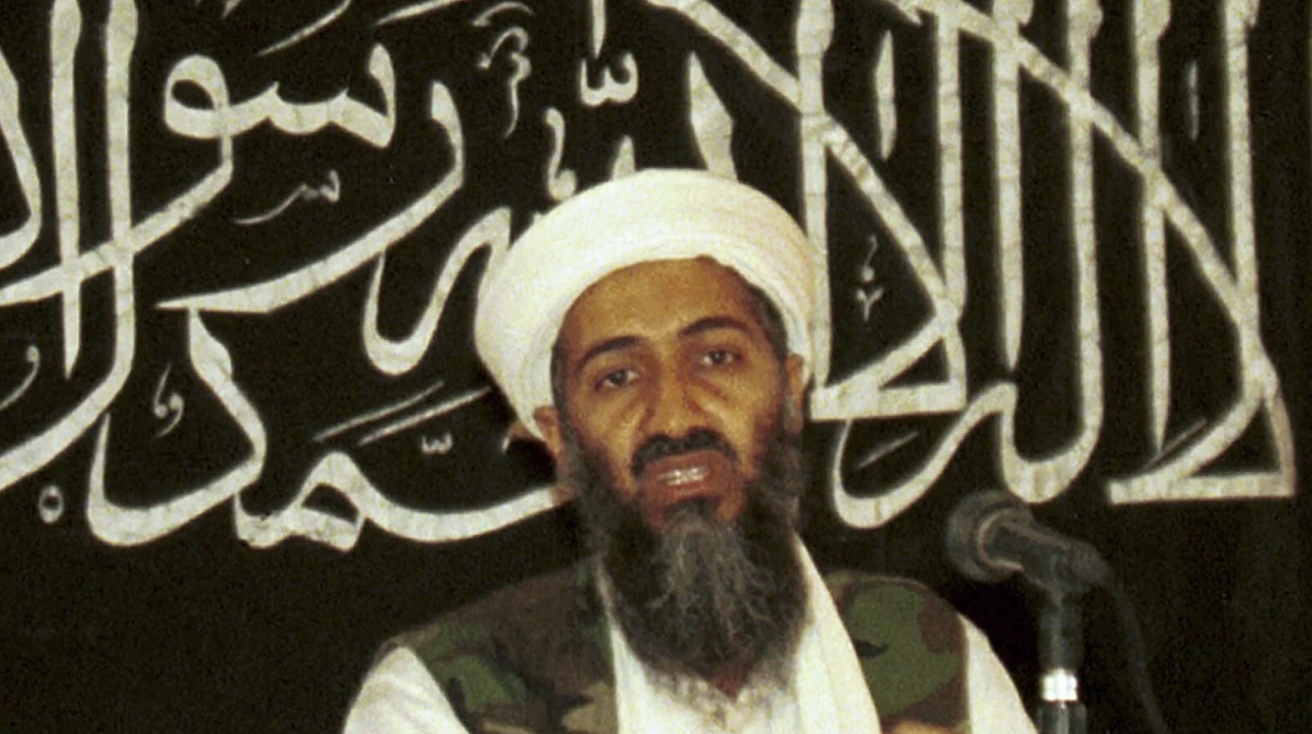
The West has come to terms, not without pain, that the enemy increasingly resides among us.
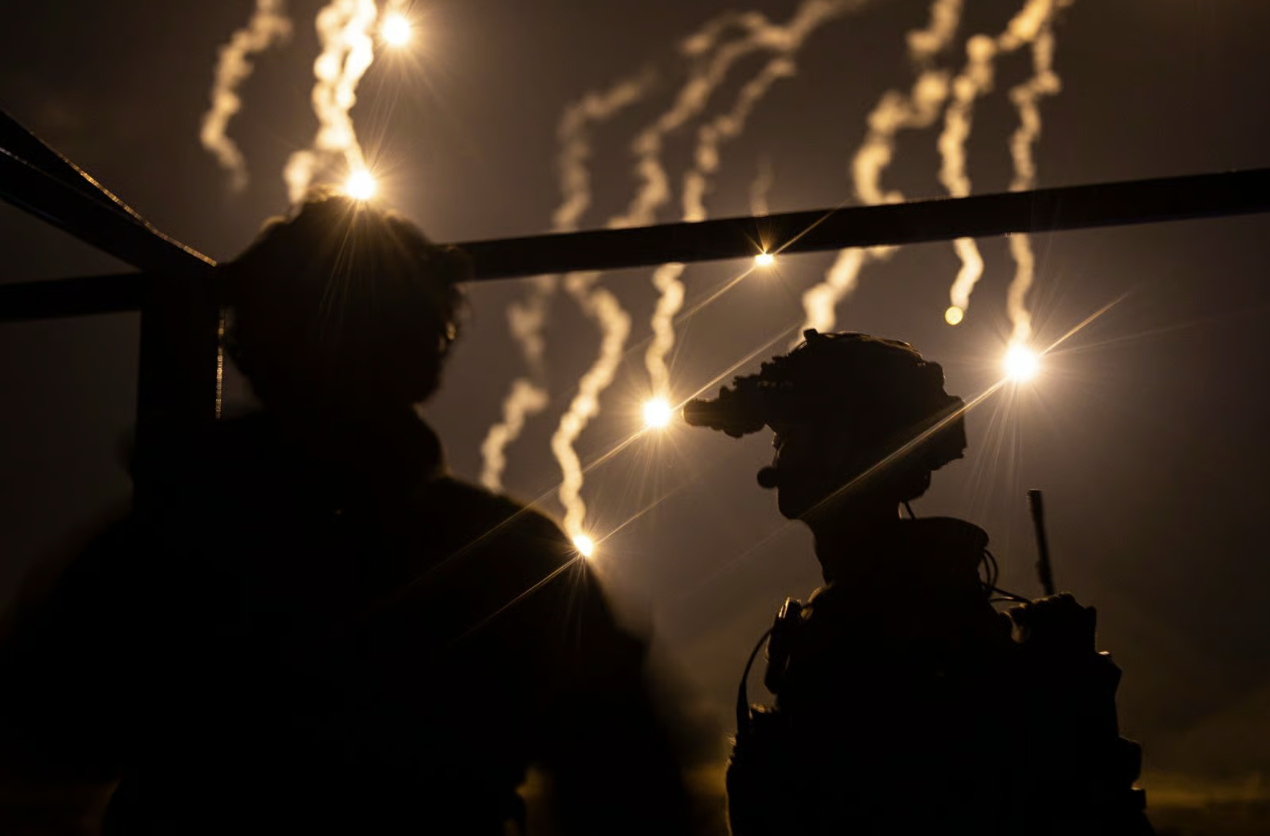
September 10, 2026, dawned with an uncomfortable certainty: the Gulf War, which Washington stubbornly refuses to call a war, had ceased to be a naval conflict confined to the Strait of Hormuz and had become a regional conflagration of shifting proportions.

The events of September 8th leave five distinct marks which, taken together, starkly illustrate the state of the world in this autumn of 2026.

Open war against NATO would be suicidal, while harassing it below the threshold is cheap, effective, and goes unpunished.
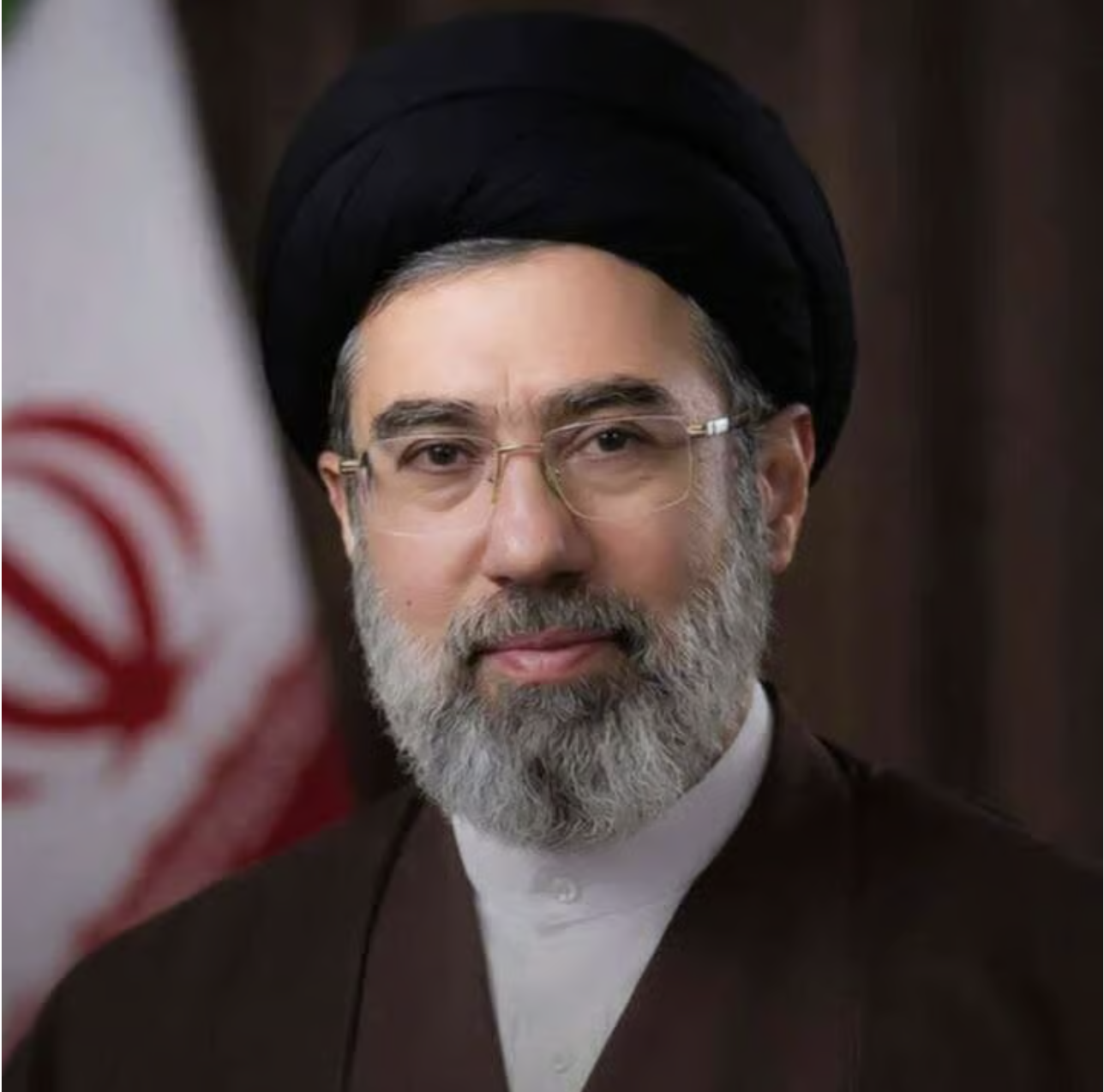
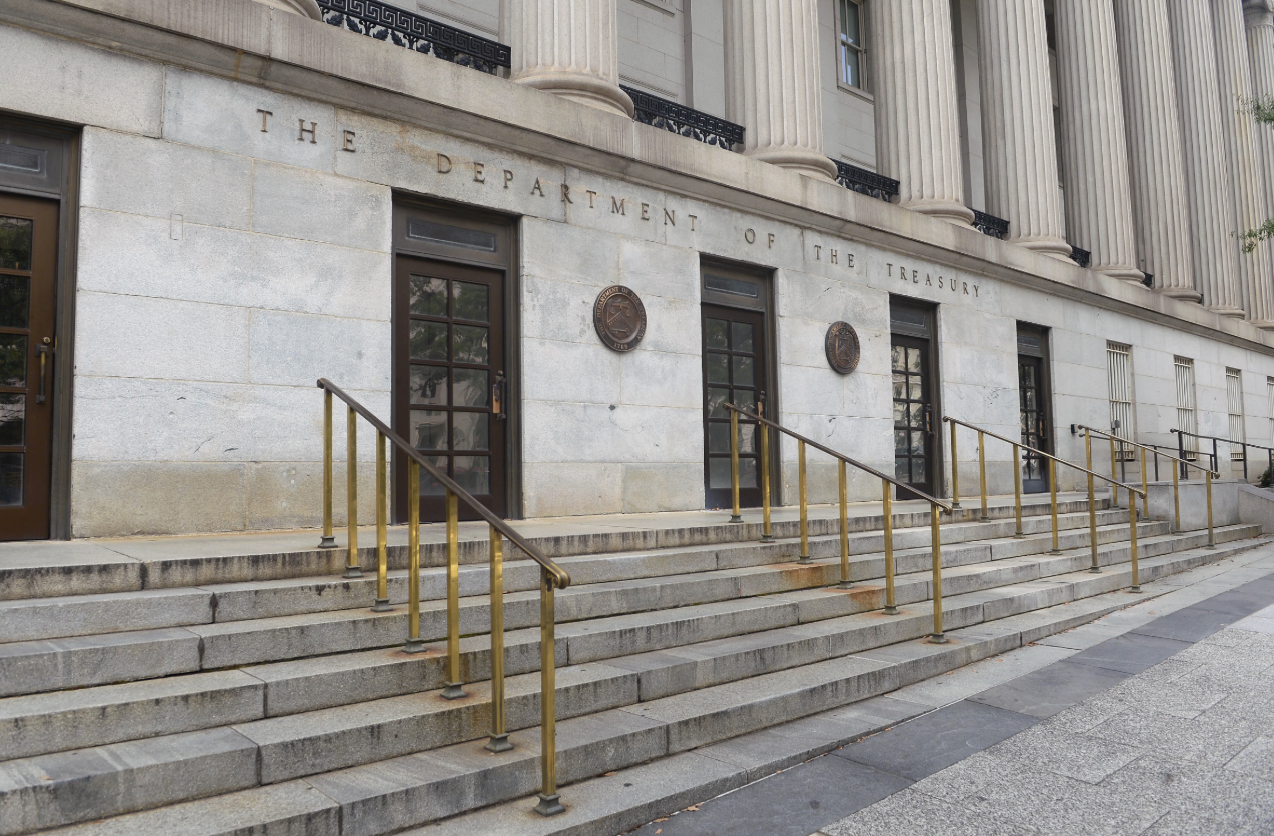
The last 24 hours have brought three events that, on the surface, seem to belong to different worlds: the financial strangulation of the Islamic Republic of Iran, the US Vice President's refusal to call a war a war, and the largest industrial restructuring in the history of the Volkswagen Group, with the possible disappearance of SEAT as a brand.