GEOPOLITICS REPORT
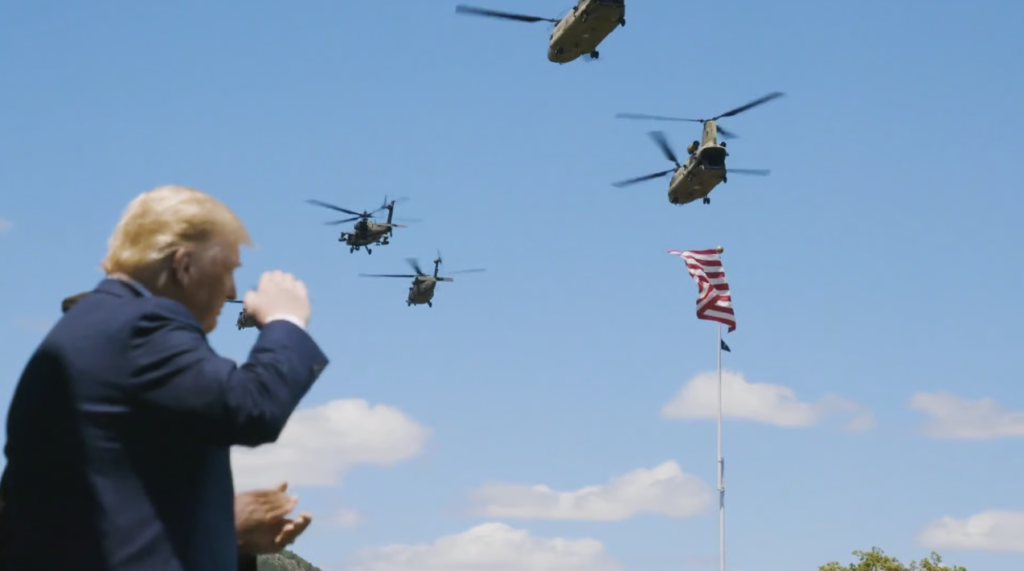
The world awoke on May 28, 2026, at a crossroads of simultaneous tensions that challenge the international security architecture so painstakingly built after 1945.
GEOPOLITICS REPORT
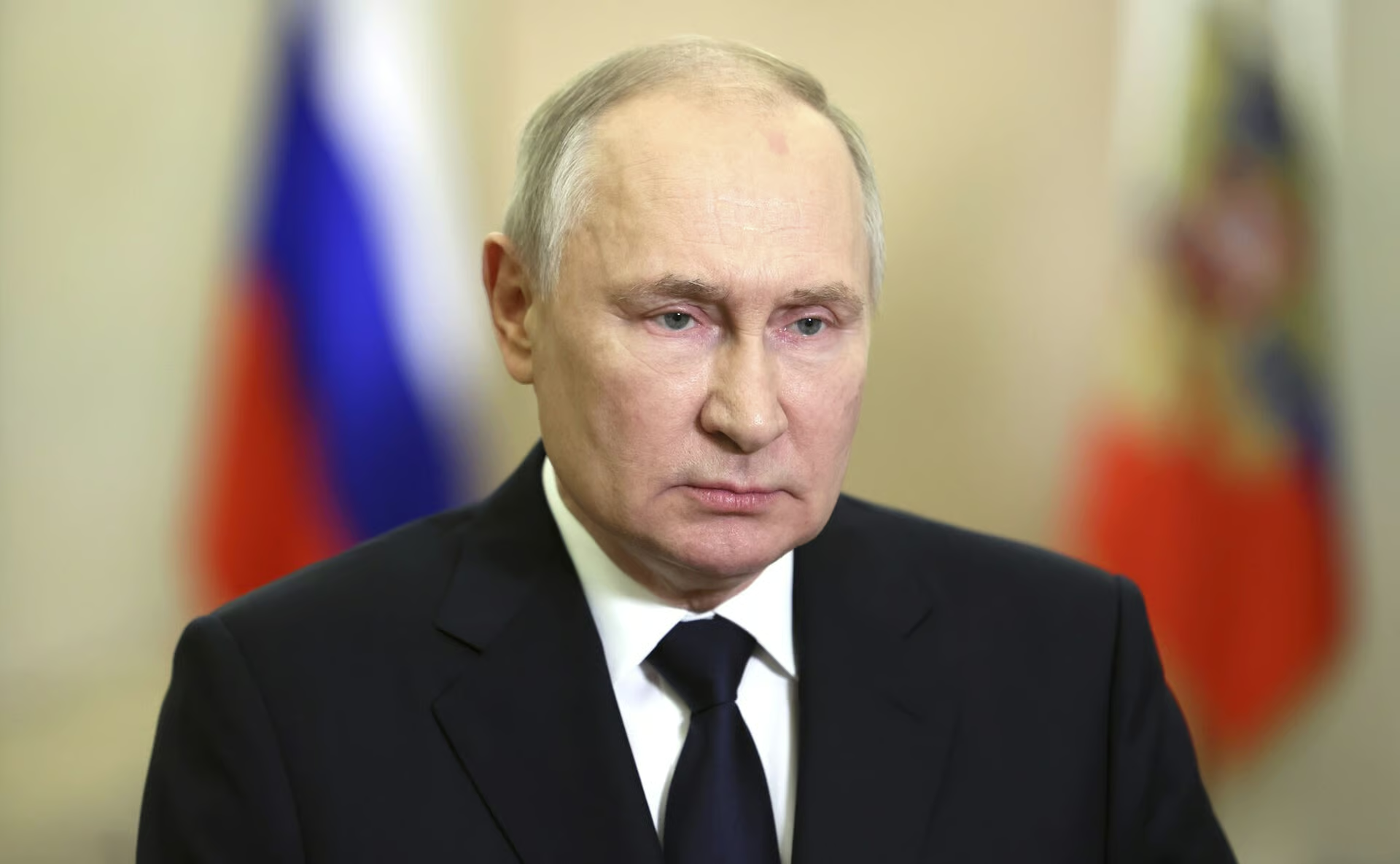
The world awoke today, May 27, 2026, to a state of multidimensional tension unparalleled in recent history.
GEOPOLITICS REPORT
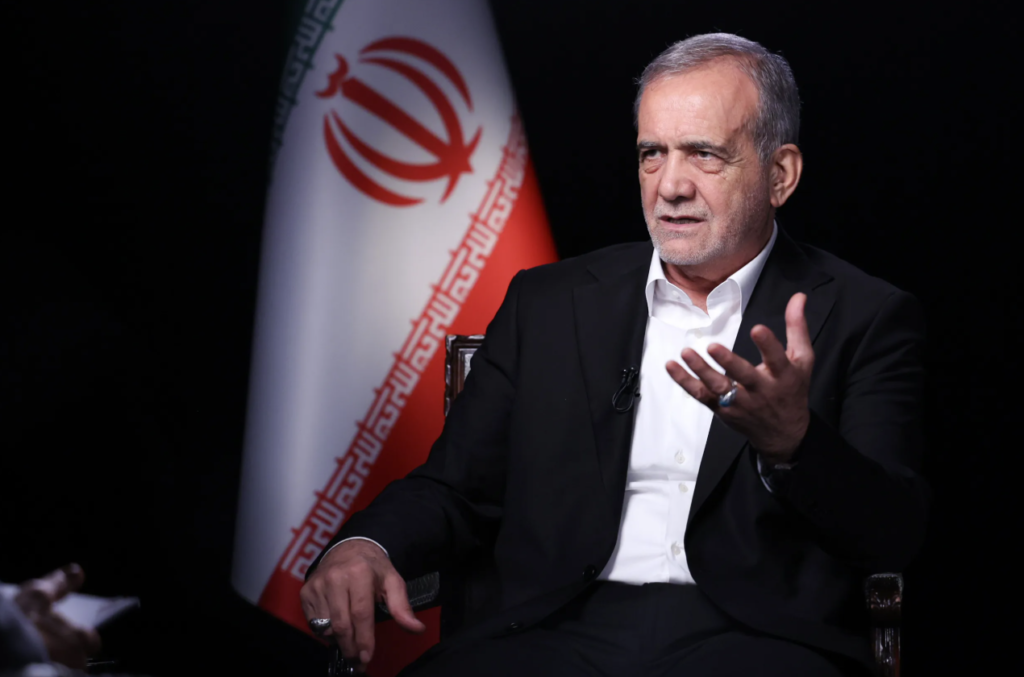
Five vectors of tension dominate the day, and their intersection paints the most accurate portrait of the strategic disorientation of our time.
GEOPOLITICS REPORT
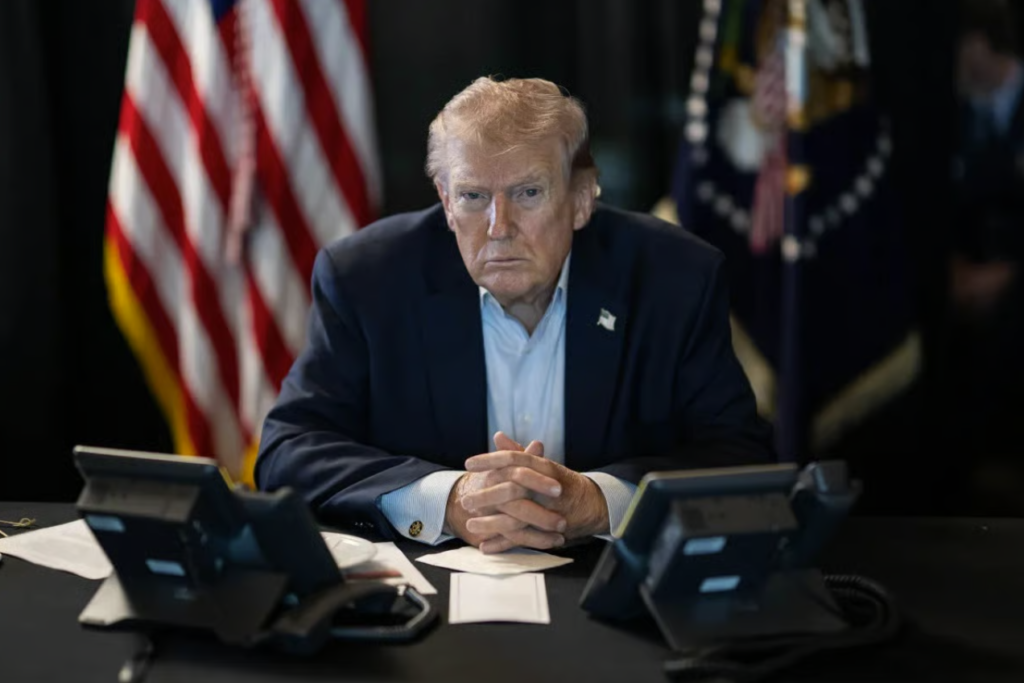
The world awoke today, Monday, May 25, 2026, to five major geopolitical hotspots whose interconnectedness paints an exceptionally complex picture.
Cuba, 67 years of oppression, corruption, incompetence and communist fanaticism
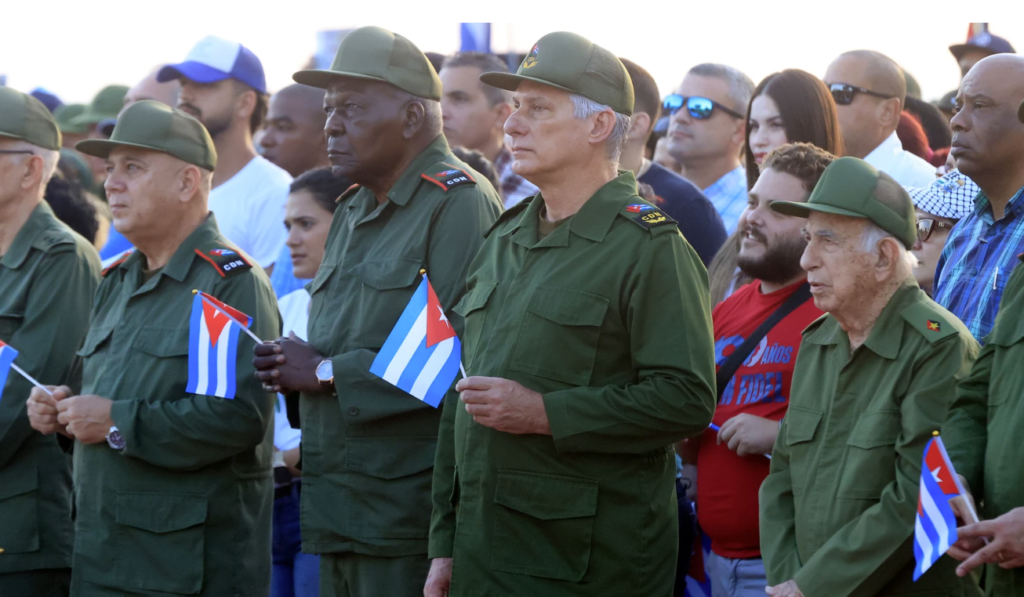
The “blockade” is not the cause of Cuba’s failure; it is the false pretext used by the dictatorship to keep some of the most dogmatic leftists worldwide from ignoring reality.
GEOPOLITICS REPORT
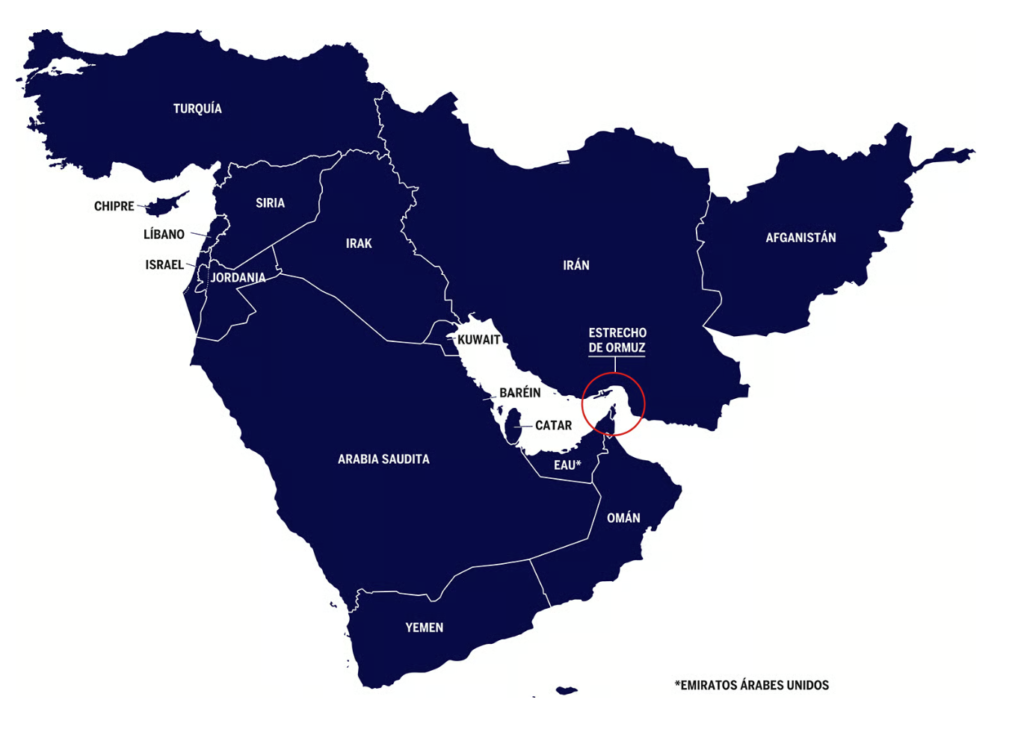
The events of May 22, 2026, confirm, with a brutally analytical clarity that admits no euphemisms, that the conflict between the United States and Iran has entered a phase of contained systemic fracture.
GEOPOLITICS REPORT
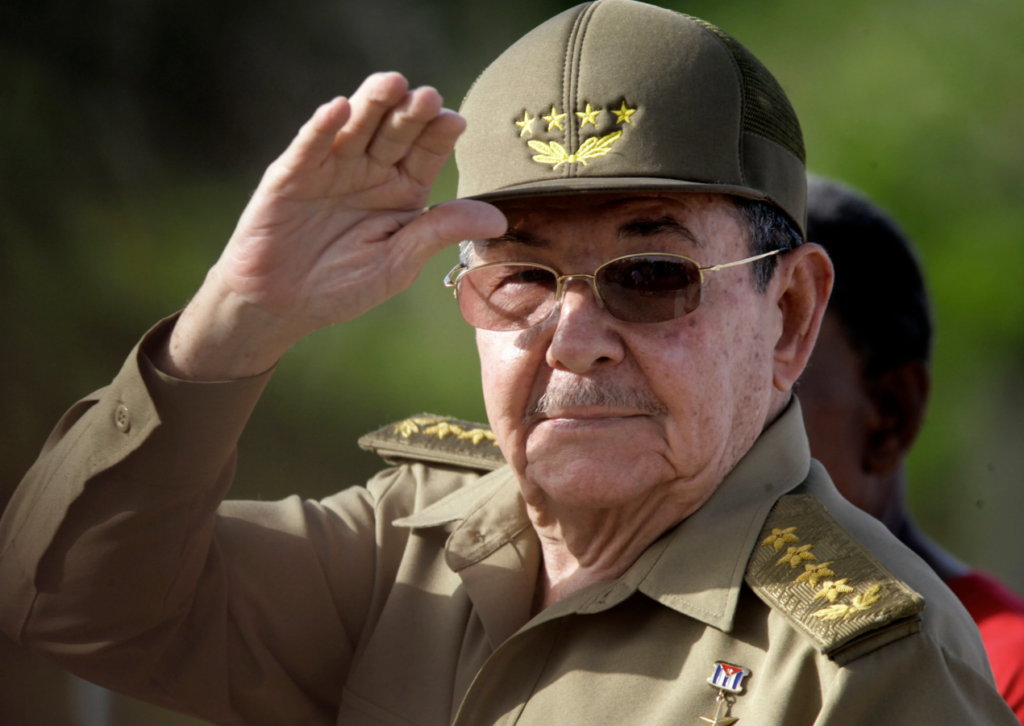
The United States Department of Justice exposes —three decades late but with impeccable timing— the criminal nature of the Castro regime by formally indicting Raúl Castro for murder.
GEOPOLITICS REPORT
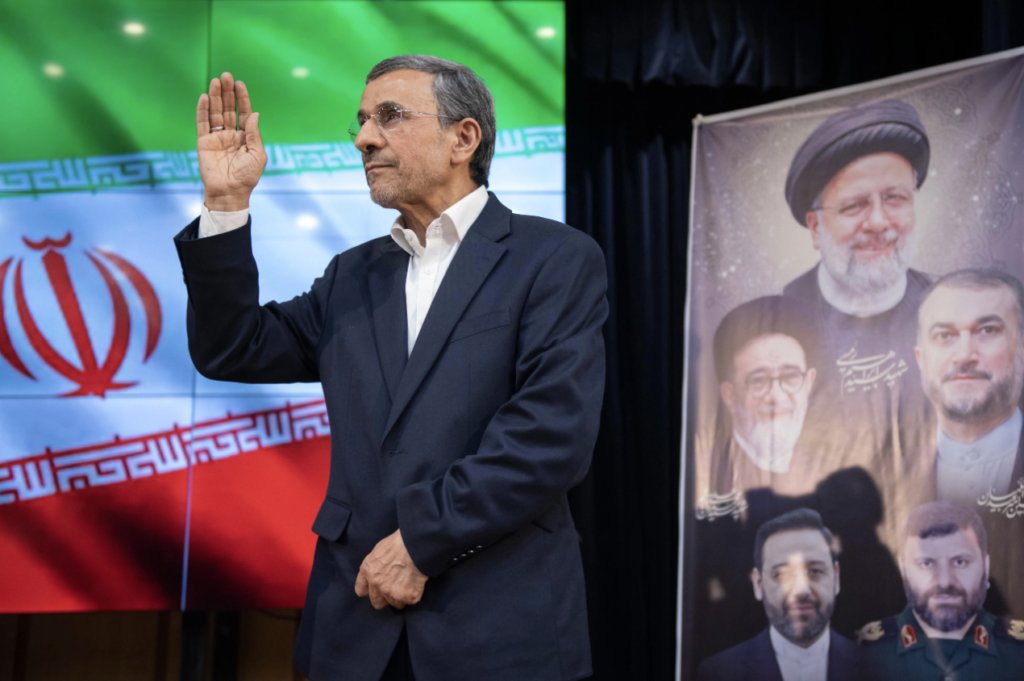
May 20, 2026, arrives laden with toxic signals.
GEOPOLITICS REPORT
The global geopolitical chessboard dawns today, May 19, 2026, with a density of simultaneous crises unprecedented in recent decades.
GEOPOLITICS REPORT
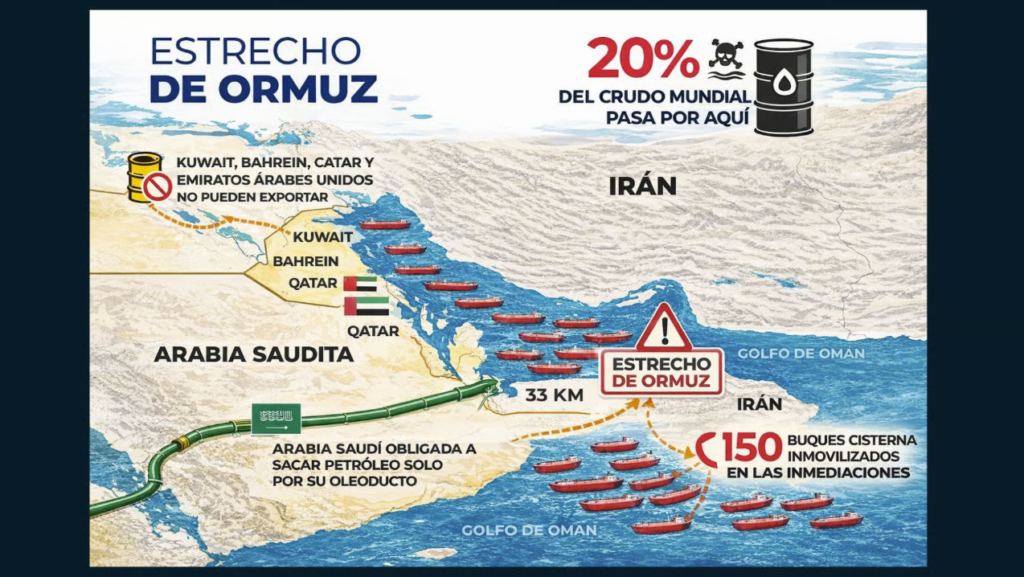
May 18, 2026, embodies a density of interconnected crises that define, with brutal clarity, the state of the international order in this second half of the decade.